Discover 3 Easy Content Formats You Can Reuse Every Week
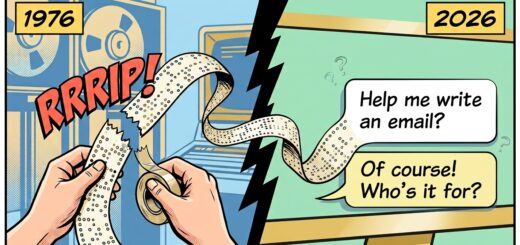
You sit down to write something for your business, and before you’ve typed a single word, you’re already tired. What do I even say this time? One of the people I help on the support desk put it best. She said that even when something’s explained to her, it sometimes ‘doesn’t click’. That’s exactly how writing new content can feel too. It’s explained a dozen times in a dozen courses, and it still doesn’t click. Nobody’s ever handed you a proper content format to pour it into.
You wrote about something similar last month, and the time before that, and each time it felt like inventing the whole thing from nothing. If that sounds familiar, you’re not behind, and you’re certainly not short of ideas. You’re just missing a handful of content formats you can reuse, week after week, instead of starting from zero every single time. By the end of this you’ll have three you can start using today, with no blank page in sight.
Why Three Simple Formats Beat A Hundred New Ideas
Here’s the part nobody tells you. You don’t need a hundred fresh ideas. You need two or three content formats you can recognise instantly, and a fresh topic to drop into each one.
A format is simply a shape, a recognisable kind of post, email or short video that stays the same while the subject underneath it changes.
Think about it from the reader’s side for a moment. When they see your post starts the same way each time, that isn’t boring to them. It’s reassuring. They know roughly what they’re about to get, and that makes them far more likely to stick around for it.
I’ve written a fair bit on this kind of thing in other articles I’ve shared recently. Once you stop treating every piece of content as a brand new invention, the whole job gets a great deal lighter. Three content formats, used properly, can carry a whole year of blog posts, emails or short videos between them. You’re not making the work smaller. You’re making it repeatable, which is a very different thing.
Rocky The Robot Vacuum And Doing One Thing Properly
A few months ago I got a robot vacuum. I call him Rocky, and he answers to Hello Rocky with a cheerful I’m here, which still makes me laugh every time.
When I first let him loose on the whole house in one go, it took forever. He’d stop halfway through a room to go and empty himself, then run low on charge and just sit there on the dock. The job stayed half done until he’d had enough of a rest to finish it.
Once I started giving him one room, one task, at a time, everything changed. He finished properly, bag emptied, mops washed, fully charged, before he ever started the next thing. The same is true of building content around a format you already trust. One finished post, in a shape you know well, beats three half started ideas you were trying to invent from scratch.
Rocky also works a lot faster once I’ve moved the small clutter out of a room first. Clear the obstacles, and the job that felt enormous becomes almost quick. Clear the blank page the same way, by handing yourself a format instead of a fresh invention every single time. Writing gets a great deal quicker too.
Three Content Formats You Can Start Using This Week
The Quick Fix
Pick one small frustration your reader has, and solve just that one thing. On the help desk, this is the shape I use without even thinking about it: one problem, one plain answer, nothing else bolted on. A short email, post or video built this way almost writes itself, because you already know exactly where it starts and where it ends.
The Myth You Keep Hearing
Take one piece of advice your audience hears constantly, the overlooked or quietly wrong kind, and explain why it doesn’t hold up. “AI is so easy, it’ll do anything for you” is one I hear often, and it isn’t quite true. AI has a short memory unless you work around it, and it needs a proper prompt to do anything useful for you. A myth format gives your reader a built-in reason to keep reading to the end.
The Real Question
Keep a running list of the actual questions people ask you, then turn one into a post. These tend to be the ones people forward to a friend. Somebody else was asking exactly the same thing and never quite got a plain answer.
Picking What Goes Inside Each One
You don’t need to overhaul your whole content plan today. Pick one format, write three using it this week, and only then move onto the next. Finishing each one properly, the way Rocky finishes a room before I give him another, matters more than starting all three at once.
Here’s a trick that makes it even easier. Don’t invent topics one at a time either. Spend fifteen minutes brainstorming ten versions of your Quick Fix format in one sitting, and you’ve got ten weeks sorted before lunchtime.
Within a month you’ll likely notice one format your own readers respond to more than the others. That’s worth paying attention to. Do more of whichever one lands, rather than quietly abandoning it for something new just because it’s been a few weeks since you tried it.
Where This Fits Into The Bigger Picture
You might want help building that kind of repeatable system across your whole business, not just your content. If so, Serious About Six Figures is worth a look. It isn’t my own course, but it walks through building a business with fewer moving parts. More of it runs on systems you can simply repeat, rather than reinventing every stage as you go. If you’re the sort of person who likes things explained plainly, without jargon, it’s a reasonable next step to consider.
Pick one format this week, not three, not ten, just one. Give it a proper try the way Rocky does a single room before he moves onto the next one. You’ll likely feel the blank page shrink a little more each time you reuse it. Small, repeatable steps beat a dozen fresh ideas every single time.
Talk soon, Jennifer Caroline