How To Keep Customers Coming Back With One Easy, Little-Known Habit
In my first proper job in computing, programs were punched onto tape by a punch room, then handed to an operator to feed into the machine. If you were not on good terms with the operators, your tape could come back torn, and you had to mend it before you could even try running your program again. As it happens, I ended up marrying the chief operator.
Even the most mechanical, technical work has always depended on relationships. That has never stopped being true, not in the terminal rooms of the 1970s and not in an inbox in 2026.
It is also the real secret to keeping customers coming back. People often tell me they feel they need an elaborate rewards scheme, with tiers and points and an app nobody asked for. They think they must have that before they can even begin.
What keeps someone coming back is much simpler. It is the feeling that somebody on the other end remembers them.
Why Complicated Systems Scare People Off
Most of the people I talk to on the help desk say some version of the same thing. ‘I’m not very techy’, they tell me, usually right after admitting they abandoned a loyalty plugin halfway through setting it up.
I understand the instinct. You read that loyalty programmes work, you picture points, badges, tiers and a members-only portal. The whole idea collapses under its own weight before you have sold a single extra thing.
Here is what I would say to anyone in that spot. You are not behind. You have simply been shown the wrong starting point.
Think about the gym membership card with ten stamps for a free smoothie, except you only remember to bring it half the time, or the online shop that promised you platinum status if you spent enough points before the year ran out. None of that is what made you loyal to the coffee shop around the corner. What made you loyal there was the woman behind the counter who started making your order before you had finished saying it. That is the model worth copying, not the stamp card.
The One Habit That Actually Works
Forget the tiers for now. The habit that keeps customers coming back is smaller than that, and it costs almost nothing to set up.
After someone buys from you, or signs up for whatever you offer, send them one short, genuine message a little later. Not an invoice. Not a reminder to leave a review. A note that says, in effect, thank you, here is something useful, and here is what comes next if you want it. The format matters less than the consistency: whether it is an email, a text message, or a handwritten card depends entirely on your business, the only requirement is that it goes out every time, not only when you remember.
That is the whole mechanism. One message, sent consistently, to everyone who crosses that first threshold with you.
It does not need a clever subject line or a special offer attached. It needs to arrive close enough to the purchase that it still feels connected to what the customer just did, and specific enough that it could not have been sent to absolutely anyone who bought absolutely anything from you.
It works because it does the one thing a complicated scheme rarely manages. It proves, quickly and without fuss, that a real person is paying attention on your end.
I have written before, in other articles I have shared recently, about how much easier most of this becomes. It starts once you stop trying to build the clever version first.
Automate It Without Losing the Personal Feel
You do not have to sit and type that note out every single time. Most email tools, including the one I use for my own list, will send a message automatically once someone takes a particular action. A purchase, a sign up, a download, all qualify.
Set it up once. Write it so it still sounds like you, not like a company. Then let it run quietly in the background while you get on with everything else.
This is where people go wrong twice over. Some never automate anything, so the personal touch dies the moment they get busy. Others automate everything and the message stops sounding like it came from a human being at all.
Picture the opposite failure too: an email that starts ‘Dear Valued Customer’ and reads like it was written by a committee. A reader can tell within one line whether a real person stood behind a message or whether it was assembled from a template with the gaps filled in. That gap is exactly what the complicated schemes miss, and exactly what a plain, well-written note closes.
Aim for the middle. One honest, plainly written note, sent by a system, read as though it was typed by hand.
Why One Remembered Detail Beats Ten Points
Years after I mended that torn punch tape, I can tell you exactly what I remember about that job. I do not remember the programs. I remember the operators who knew my name and the ones who did not.
Even the most mechanical, technical work has always depended on relationships.
A loyalty points system asks a customer to do arithmetic. Ten dollars spent, one point earned, two hundred points for a discount they will probably forget about. None of that feels like being remembered. It feels like filling in a form.
Imagine redeeming a discount code you earned eight months ago. You have forgotten what you bought to earn it, and the shop’s email reads like it was sent to everyone else who hit the same number. Now imagine instead a short note that says it noticed you bought a particular item and asks how it is working out. One feels like a transaction closing. The other feels like a conversation continuing.
A short note that mentions what someone actually bought, or asks a real question about how it worked for them, does the opposite. It tells them you noticed them specifically, not merely that they completed a transaction.
That is the difference between a scheme and a relationship. Only one of them keeps customers coming back for reasons they could not easily explain to you if you asked.
What to Give Your Returning Customers
Once the first note is working, you can add a second layer without much more effort. Give returning customers something before they ask for it.
Early access to whatever you release next. A small bonus added quietly to an order, with no fanfare. A short personal update on what you have been building, sent only to people who have bought before.
Say you sell a short course. A returning customer might get the next module a day before everyone else, or a short voice note mentioning the exact question they asked you last time. Say you run a shop. It might be a card tucked into the box, handwritten, mentioning what they ordered before. None of these take long. All of them tell the customer you were paying attention to them specifically, not simply processing an order.
None of this needs software, a database or a plan more complicated than a short list in a notebook. It needs you to decide, once, who counts as a returning customer. Then treat them a little differently from someone arriving for the first time.
Start With One Small Thing This Week
You do not need the whole system this week. You need one message.
Write a short, honest thank you for the next person who buys from you or joins your list. Keep it plain. Mention something specific about what they did. Set it to send automatically if your tools allow it, and by hand if they do not.
If it feels awkward at first, write it exactly as you would type a message to a friend who had just done something kind for you. That is closer to right than anything built from a marketing template.
Then watch what happens over the following month. Not to your numbers, not yet. Watch whether people reply, whether they mention it, whether they come back sooner than they otherwise might have.
That is your loyalty programme. That is what keeps customers coming back: one remembered detail, not a stack of rules nobody reads.
Talk soon, Jennifer Caroline
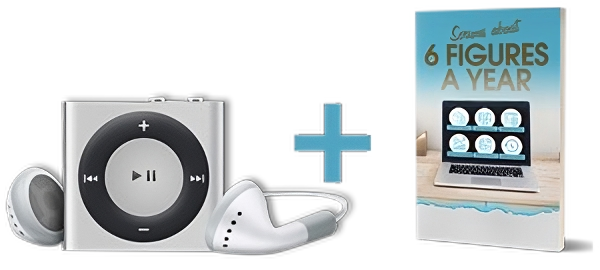
Claim Your Free MP3 And PDF Training: The 3-Part Plan To Topping $100,000 Per Year In Profit
Enter your name and email address below to receive a new lesson delivered to your inbox once a week. Your first lesson will be delivered immediately.
Privacy Policy : We value your privacy. You can unsubscribe from receiving future emails with 1 click at any time.