People Don’t Buy Products. They Buy the Story They’ll Tell Afterward

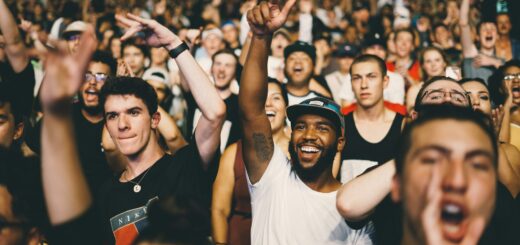
The biggest winners this summer weren’t selling products. They were selling participation.
Have you noticed what’s been happening this summer?
The FIFA World Cup. Music festivals. Backyard barbecues. Outdoor concerts. Even record-breaking heat waves.
Restaurants filled up. Jerseys flew off the shelves. Patio furniture sold. Food delivery spiked. Travel picked up.
Did people suddenly need more stuff?
Probably not.
They wanted to be part of the moment.
And that’s a lesson every marketer should pay attention to.
Here’s the thing: people rarely buy a product because they suddenly need another product.
They buy because they want to experience something.
A new grill isn’t really about cooking hamburgers. It’s about becoming the host of the neighborhood barbecue.
A premium camera isn’t about owning better equipment. It’s about capturing memories worth sharing.
A fitness program isn’t about exercise. It’s about crossing the finish line, feeling healthier, or finally fitting into those favorite jeans again.
The product is simply the ticket…
While the experience is what people are actually paying for.
That’s why brands connected to big events often outperform brands that simply advertise features. They’re inviting customers into a shared story. Buying becomes a way of participating instead of simply consuming.
The world’s best marketers understand this instinctively.
Apple rarely talks about processors and memory chips. It talks about creativity.
Disney doesn’t sell admission tickets. It sells unforgettable family memories.
Nike isn’t really selling shoes. It’s selling the feeling of becoming the kind of person who gets up early, trains harder, and achieves something meaningful.
Before your customers buy, they’re quietly asking themselves one question:
“What will my life look like after this?”
If your marketing only talks about features and specifications, you’re missing the conversation already happening inside your customer’s head.
Instead of selling ownership, sell participation.
Instead of describing the product, describe the moment it creates.
Because people don’t just want another thing to put on a shelf.
They want something that becomes part of their story.
The businesses that grow the fastest won’t simply have the best products.
They’ll help customers imagine a better chapter in their own lives—and make buying feel like the first page.